| www.laurahird.com |
| THE NEW REVIEW |
|
Profile on the Wikipedia website
|

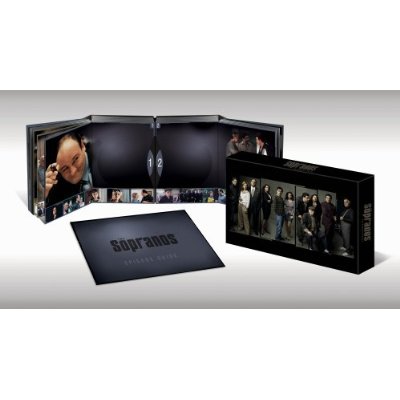
Van Zandt�s celebrated and syndicated Underground Garage show (which premiered on 103.2 Dublin City FM recently), dedicated to playing the kind of rock �n� roll � from Gene Vincent to the Ronettes to the Ramones to the White Stripes � that you won�t hear anywhere else on what his Boss termed Radio Nowhere, is just one part of his revivalist campaign to preserve the values he believes made rock �n� roll great throughout the renaissance era of the 50s and 60s. The E-Street Band guitarist espouses dedication to the craft and graft of live performance, the preservation of analogue recordings, the teaching of rock �n� roll in schools, and a reappraisal and reaffirmation of the specialist skills of not just musicians, but also writers, engineers, producers and arrangers. Plus, he reckons that something died in rock �n� roll when the dancing stopped. �Yeah, I talk about it all the time, because our show is a little bit balanced towards the pre �artform� rock days,� he says. �There was a point where people danced to rock �n� roll, and then came a point where people started listening to rock �n� roll, and that was the beginning of the end for me. That changes a lot of things to do with one�s performance.� Van Zandt believes the E-Street Band�s ability to hold a crowd for up to four hours is a direct consequence of their barroom education. �We had a big advantage when we finally got into the so-called business in the early to mid 70s, �cos we had to make a living playing live, and when you�re forced to make people dance in order to make a living, the energy and aggressiveness is a bit different,� he explains. �The Beatles and the Stones, The Kinks and the Yardbirds all went through the same thing. That bar-band stage, which kind of went away around the time of MTV I guess, that�s a very valuable stage, and I encourage young bands to try and organise residencies and play the same place every week and develop a following that way, and play other people�s songs. �It�s extraordinarily important to learn and play your heroes� songs so you can actually absorb those songs, and of course that will affect the way you write and keep your standards higher. But if you skip that stage, somebody thinks they can just pick up a guitar, and then six months later they have to be a genius songwriter. It just doesn�t work that way. You can hear it in the way standards have dropped, and we�re drowning in mediocrity right now.� And as was apparent at the E-Street Band�s three night stand in Dublin this summer, that barroom education that pays off lifelong dividends, resulting in a group of musicians in their late 50s playing the kind of set that would put acts half their age in hospital. �I never really discuss this with Bruce, but I don�t think we�ve changed much mentally, or maybe we�ve just come full circle with it,� Van Zandt says. �I don�t remember ever going on stage in the last 30 years feeling any differently. Every gig�s the first gig, and every gig�s the last gig. But I think our European tour this time was the best we ever were, personally. We may be looking fondly back on those days as that moment. �It was fun the way we started getting looser and looser and looser through the end of the tour, and taking requests at a certain point not only for obscure Bruce Springsteen songs, but taking requests, period. Songs we�ve never even played before. With a stadium crowd. I don�t know too many other bands who would attempt that, but we got that loose mentally, so it was really a wonderful feeling of a return to the roots.� Which is in marked contrast to most major touring acts, who are terrified to change the setlist because the light show and samples are all pre-programmed. �It�s the one big plus we�ve always had, which is no production,� Van Zandt chuckles. �We just never got into it, and for once it paid off. We don�t even tell the lights or sound guy what we�re doing, you just have to sort of figure it out by the middle of the first verse. Why bother?!� At that 2005 Cleveland address, Van Zandt pointed out that �the last big band through the door was U2. That�s 25 years ago. Has anybody stopped to consider that? Basically when our generation stops touring, it�s over.� �Yeah it�s a sad thing,� he says now. �When U2 are the new guys on the block, it�s scary. We did a study in the office one day, and I think virtually every big band either broke or succeeded on their fourth or fifth album, and y�know, you don�t get a second album now. It�s really difficult. I produced a few records in the 90s and then I stopped, I said, �What�s the point of producing records when there�s no place for rock �n� roll in our current society?� �I don�t know how we got here, but there�s a format for everything now except new rock �n� roll,� he continues. �It goes deeper than that, I mean there�s no place in our culture anymore for greatness of any kind, because greatness usually comes from personality, and personality has become quite unfashionable. It�s all a lowest common denominator culture we�re living in now, and I finally got sick of it seven years ago and decided, �You know what? We�re gonna make a last stand for eccentricity here.� And we started a new show and created a new format for doing it, which was basically playing all 60 years of rock �n� roll. �We have right now literally the only rock �n� roll show on radio, and we managed to turn it into a 24-hour format on Sirius XM Satellite. Even the oldies format now has eliminated the 50s and a good part of the 60s. So they�re calling the 70s and 80s oldies! So I�m like, �Listen you fucking idiots! It�s not a chronological thing! Oldies refers to basically the renaissance period.� You can�t replace Eddie Cochran with Lionel Richie, it just doesn�t work. �So once you realise what�s going on in the radio world, it�s actually shocking. I created a second format called Outlaw Country, I included all three generations of Hank Williams, the Flying Burrito Brothers, Moby Grape, the Youngbloods, some of Bruce�s stuff, even the Stones� country songs, stuff that has no place at all anymore, The Band for instance. There�s no place in our world for The Band. How could that be? �And that was the beginning of basically setting out to create a whole new infrastructure, a music business outside the music business, to give some sort of secure place for rock �n� roll to grow in, where the pressure wouldn�t be on to have a hit right away. Rock �n� roll�s never gonna be mainstream again, you can clock the rock era 30 years from �Like A Rolling Stone� to the death of Kurt Cobain, that�s pretty much it. So we�re just finding a niche. Maybe rock �n� roll belongs underground. But let�s at least make it a viable niche in the marketplace so kids can possibly make a living doing it. If we can get that done we�ll really consider ourselves successful.� All that said, Van Zandt is surprisingly sceptical about home recording and the internet�s revolutionising of old distribution paradigms. �I�m not that supportive of the opposite end of the spectrum, the do-it-yourself world,� he admits. �I really have come to realise that, as romantic as that may be � and it�s nice that anybody can get their music on the internet � there was a reason why different people had different jobs in the old days. Once upon a time there were performers and writers and arrangers and producers, and they all had different jobs to do, and I think we suffer the day we all decide we can do everything ourselves. Writing has to be learned, arranging needs to be used, there�s a real job for a real record producer, engineers need to be trained, we need to try and find our way back to analogue a bit. �Part of what my Rock �n� Roll Forever Foundation is doing is getting rock �n� roll taught in schools as part of the academic curriculum. That�ll take a couple of years, but once we get that done, the next thing I�m trying to look into is analogue preservation, we have to find a way to maintain the important albums of the past in the analogue configuration, if possible. �I�ve been talking to various archivists at various companies and they�re starting to move all the important records to digital. That locks them into this shit sample rate we�re listening to now. It�s like leaving out every other sentence in Shakespeare or something. It should be preserved properly, in the way the artists and producers intended. Progress needs to be defined very accurately. Something new or different isn�t necessarily progress. We have to be very careful about the way we use the language here, and at some point people have to start measuring quality, instead of newness.� So, with all these pots on the stove, does Van Zandt miss his acting job? �Well, it went right from (the last season of) The Sopranos into this (E-Street Band) tour, so I haven�t really had a chance much to miss it, but I miss the guys, they were really quite a unique group of people.� Were there any similarities between playing in a big group like the E-Streeters and being part of an ensemble cast? �Funnily, it became similar when we started to do some live appearances, like photograph and autograph sessions at casinos and things like that. I said to the guys, �If you ever wondered what it felt like to be a rock star, you�re seeing it right here.� We would have ridiculous groups of people. We went to the Hard Rock Casino in Hollywood, Florida for the final show, and there had to be, I dunno, 10,000 people, we did this huge walk-through from one part of the casino to another, and it was just thousands of people lined up to see us, it was funny. And we had that reaction almost the whole ten years. We had premieres every year for the show that just got bigger and bigger and bigger. They rivalled anybody�s movies. You just never saw that with television before.� What was his take on the controversial ending of the final episode? �Well, I happened to have scheduled a radio thing the next morning at my Miami affiliate, and it was one a national call-in show, so I heard the most upset human beings that have ever been on the planet for about an hour. So I listened and listened and finally I said, �Listen everybody, I appreciate how emotionally engaged you were in the show, now just do me a favour. Go and watch the show again, forget about the ending that you wrote, that you�re disappointed didn�t happen, and just accept the fact that the cat that you�ve loved all these years, David Chase, who broke every rule in the book, wasn�t about to change at the end. He stayed extraordinarily consistent. Appreciate his ending for a minute.� �And by the end of the week the calls had turned mostly positive. But, y�know, it was quite shocking for people. You�d confront them and say, �Listen, what did you want to see? The whole family wiped out? What? What is the perfect ending?� And when they thought about and saw it a second and third time, most people came around. �One of the things David made a point of was never glamourising it, never romanticising it, so the genius of the writing was making the most boring profession in the world compelling, y�know? To be a modern gangster, it ain�t the Roaring Twenties baby! Sitting around reading the racing form, you can�t trust anybody, there�s no real security, you�re going to be humiliating your family from time to time�� Sounds suspiciously like being in a rock �n� roll band. �Yeah, career-wise it�s about the same these days!� Reproduced with permission

|
| WHEN DID THE FUCKING PUSSIES TAKE OVER? Steve Van Zandt Interview by Peter Murphy |
| If you would be interested in reviewing films/books for the site, contact me here |
| Interview |