| www.laurahird.com |
| THE NEW REVIEW |
|
Reynolds� blog


|
 |
|
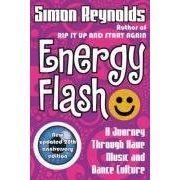
As pop music goes on, it's easy to forget that in the late eighties and early nineties there was such a huge, huge shift. I can vaguely remember hanging around dingy bedsits taking acid, listening to Negativland tapes and reading old copies of RE:Search. There was nothing much happening in pop terms and everything worthwhile seemed to have been done already. Acid house was the kind of cultural event music journalist types - and students of media semiotics at the University of East Anglia � like to call seismic. It certainly felt like that. Simon Reynolds 'Rip it up and Start again' was such a fantastic post punk anthology that this 20th anniversary (of acid house) edition seemed a good time to finally get round to reading �Energy Flash�. And it's a big book. Five hundred odd pages of dense type, mainly covering the 10 years from 1988 onwards and adding a couple of new chapters to cover the subsequent 10. Reynolds identifies the main problem himself when he points out that the more there is written about a movement, the less alive it is. Rave, house or club culture is such a process driven form - even twenty years on a fully formed song is still a very rare thing indeed - that unless you're actually in the process it's not particularly engaging. He's exhaustive enough, but when the easily forgettable Shut Up and Dance manage eight references in the index, it's difficult to see why you would bother to wade through the whole thing. Most post acid house electronic music has been ephemeral. It did its job in the place and time it was made for, but you would never think of going back to it. And I can't see this being of much interest to anyone other than trainspotters and aging members of the Hackney Hardcore warming up for their annual reunion. Successful dinner party types might wheel it out over a glass of wine to remind everyone how crazy they were 'back in the day'. There's certainly enough cod philosophy and anthropology to keep them busy. And in exploring all the sub-divisions in such detail, Reynolds gives too much credit to a scene which often wasn't about much more than being young and getting fucked on drugs. Unfortunately that was my experience, anyway. This high-minded approach also leads him into the kind of flowery, descriptive language that serious muso types love. An old Aphex twin tune is 'impossibly stirring and stately, it's cupola-high synth-cadence and wistful melody offset by impish twirls of nonchalantly jazzy keyboards'. Jesus fucking Christ. Maybe he took an E before writing this stuff, but it's hard going. Reynolds tries hard to be exhaustive in researching the sub-genres and developments post acid, but it's such a vast area that something has to suffer and it means there's a real bias towards the inside of the M25. Manchester gets a fair mention, but north of the border he only seems to have noticed Rezerection. There's no mention of Pure, Slam or Scottish sound systems like Desert Storm. Fair enough, it's impossible to cover everything, but Pure alone were responsible for bringing so much Detroit techno to the UK that they deserve a mention. I'm sure Derrick May called it the best club in the world at it's peak. On balance, it's almost worth owning this book. There's enough factual detail to make you pick it up every so often. But the problem is that no matter how many times Reynolds brings in philosophy, politics and anthropology, it's still not really that interesting a subject. By the time you're reading books like this, it's probably time you were reading books about something else. More than most pop music, house music is a feeling. No amount of cataloguing, documenting or researching can capture that, and it hardly seems worth the bother. Reproduced with permission
|
| ENERGY FLASH Simon Reynolds (Picador 2008) Reviewed by Stuart Blackwood |
| If you would be interested in reviewing films/books for the site, contact me here |
| Book Review |
|
About Me Artists Best Tunes Books & Stuff Competition Contact Me Diary Events FAQ's Film Profiles Film Reviews Frank's Page Genre Bending Hand Picked Lit Links Heroes Index Links Lit Mag Central The New Review New Stuff Projects Publications Punk @ laurahird.com Recipes Samples Sarah�s Ancestors Save Our Short Story Site Map Showcase RELATED ITEMS Order Reynolds� �Rip it Up and Start Again: Postpunk, 1978-1984�
Order Reynolds� �Bring the Noise�
Order Jon Savage�s � England�s Dreaming�
Order Nick Kent�s �The Dark Stuff: Selected Writings on Rock Music 1972-1993�
|